

Principal Investigator, CV
Hok Lam and Kathleen Kam Wong Professor of Bioengineering
Professor of Molecuar and Cellular Biology
Harvard University
Associate Member, Broad Institute of MIT and Harvard
Associate Faculty, Wyss Institute at Harvard
mokhalil@seas.harvard.edu
Mo is the Hok Lam and Kathleen Kam Wong Professor of Bioengineering, and Professor of Molecular and Cellular Biology at Harvard University. He also serves as an Associate Member of the Broad Institute of MIT and Harvard, and Associate Faculty at the Wyss Institute for Biologically Inspired Engineering. Mo earned his Ph.D. in Mechanical Engineering from MIT and completed postdoctoral training at Boston University under the mentorship of Professor James Collins. His research has focused on developing synthetic biology technologies to construct, manipulate, and evolve biological systems in order to uncover their fundamental design principles, and to facilitate the design of synthetic ones that can be harnessed for medicine, biotechnology, and agriculture. Mo is co-founder of Eira Bio and Fynch Biosciences, and serves as Scientific Advisor for numerous other biotechnology and life science companies.
Selected Awards:
2025 Kuwait Prize, KFAS
2022 Schmidt Science Polymath Award
2022 W. M. Keck Foundation Medical Research Award
2021 AIMBE College of Fellows
2020 DoD Vannevar Bush Faculty Fellowship
2017 PECASE Award
2017 BU Early Career Research Excellence Award
2016 NIH Director's New Innovator Award
2016 DARPA Young Faculty Award
2014 NSF CAREER Award
Teaching Awards:
2023 Outstanding Professor of the Year (College)
2023 Award for Teaching Excellence (Department)
2016 Outstanding Professor of the Year (College)
2016 Award for Teaching Excellence (Department)
2015 Award for Teaching Excellence (Department)
2014 NAE Frontiers of Engineering Education Invitee
2013 Award for Teaching Excellence (Department)
Lab Manager
BA Chemistry, Emory University (2019)
otga@seas.harvard.edu
Otgo completed her bachelor’s degree in chemistry at Emory University in 2019. At Emory, she worked on research a project involving a cobalt (II) derivative of a wheel-shaped polyoxometalates as a new water oxidation catalyst. Currently, Otgo is a part of an antibody evolution project at the lab. She enjoys listening to audio books, working out, cooking, and crocheting.
Selected Awards:
2022 CDC ORISE Fellow Research Awardt
Postdoctoral Fellow
PhD Biochemistry, Harvard University (2020)
BS Genetics, Cell Biology, and Development / Biochemistry, University of Minnesota (2010)
jamesangstman@fas.harvard.edu
During his PhD work in Keith Joung's lab, James worked on genome and epigenome editing technologies with a particular interest in CRIPSR Base Editing. He is interested in using continuous evolution to both expand the genome editing toolkit and upon current targeted editing technologies. James enjoys Boda Borg, is bad at chess, and has mined several dollars worth of Bitcoin on his home computer.
Selected Awards:
2014 DoD NDSEG Fellowship
Postdoctoral Fellow
Postdoc IST Austria (2020)
PhD Molecular Biology, University of Vienna/IMBA (2018)
MS Molecular & Cellular Biology, Heidelberg Univ. (2013)
BS Biotechnology, The German University in Cairo (2009)
hagar.moussa@gmail.com
Hagar received her MS in Molecular and Cellular Biology from Heidelberg University while working in Bruce Edgar’s Lab on the growth and proliferation of stem cells in the fly midgut. As a graduate student in Oliver Bell’s Lab at IMBA, she worked on deconstructing epigenetic inheritance mediated by the Polycomb group of Proteins in mammalian stem cells. Among her interests is delving deeper into the basics of epigenetic memory to engineer elaborate layers of artificial epigenetic control into cells, to see how far we can go and for potential applications in industrial settings. Outside the lab, Hagar enjoys long runs, following F1 racing, hunting for new music, and reading. There is also a sewing machine sitting somewhere in a corner, but we haven’t gotten there yet.
Selected Awards:
2010 HBIGS MSc/PhD Fellowship
Research Scientist
PhD Biomedical Eng., Boston University (2018)
BS Bioengineering, UC Berkeley (2011)
nikit_patel@seas.harvard.edu
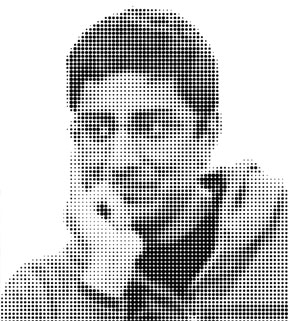
During graduate school, Nikit engineered cooperative transcription factor complexes in yeast to enable highly specific and tunable multi-input transcriptional logic. He also developed a thermodynamic model of protein assemblies in order to guide the construction of novel spatiotemporal regulatory behaviors in cells. For his postdoc, Nikit is building genetic circuits that enable high-throughput antibody discovery for multi-pass membrane proteins.
Selected Awards:
2020 Damon Runyon Fellowship
Research Scientist
PhD Biomedical Eng., UC Irvine (2019)
BS Bioengineering, Caltech (2011)
arjun_ravikumar@seas.harvard.edu
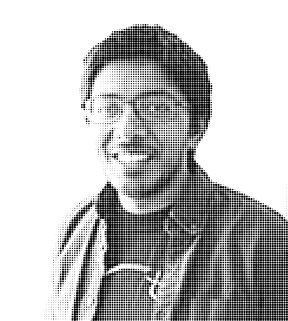
As a graduate student in Chang Liu’s lab at UC Irvine, Arjun developed OrthoRep, a system for continuous evolution of genes in yeast. Currently, he is applying OrthoRep towards therapeutic and industrially relevant problems, including antibody discovery. In his spare time, Arjun suffers from a debilitating Youtube addiction, and occasionally musters the willpower to read a book.
Research Scientist, Broad Institute
PhD Neuroscience, University of Virginia (2022)
BS Biological Sciences, Univ. of South Carolina (2010)
mraymond@broadinstitute.org
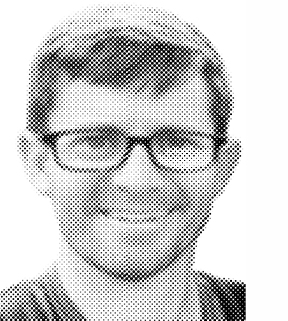
Mike received his BS in Biological Sciences from the University of South Carolina and his PhD in Neuroscience from the University of Virginia. During his PhD work in Dr. Kodi Ravichandran’s lab, Mike developed tools for tracking cell death and cell clearance in vivo. He is now interested in engineering synthetic circuits and immune cell behavior. When not in the lab, he enjoys hiking, cycling, making bad puns, and spending time with his wife and dog Murphy.
Selected Awards:
2018 EMBO Workshop Poster Award
2016 NIH Neuroscience Training Grant
Postdoctoral Fellow
PhD Quantitative Biosciences, Georgia Tech (2022)
BS Biological Sciences, Fudan University (2017)
kai_tong@seas.harvard.edu
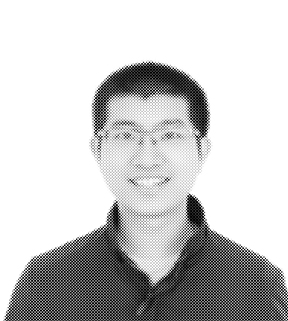
During his PhD with Dr. William Ratcliff, Kai discovered the evolution of cell differentiation and whole-genome duplication in the Multicellularity Long-term Evolution Experiment (MuLTEE), using snowflake yeast as a model system. Leveraging both engineering and evolution, Kai seeks to understand the fundamental challenges and opportunities faced by multicellularity and explore how to design and build novel multicellular systems. Outside of lab, you may find Kai hiking in national parks, wandering in art museums, or simply enjoying living a multicellular lifestyle.
Research Scientist
PhD Biomedical Eng., Boston University (2018)
BS Biomedical Eng., UC Irvine (2012)
brandon_wong@seas.harvard.edu
As a graduate student in Mo Khalil's lab, Brandon developed eVOLVER: a DIY, automated, high-throughput microbial cell growth platform. His current work is applying eVOLVER to various problems in molecular evolution and experimental evolution. Brandon is known for (and proud of) his loud and hearty laugh. Less importantly, his interests include swimming, biking, and just about any sport invented.
Selected Awards:
2013 GAANN Fellowship
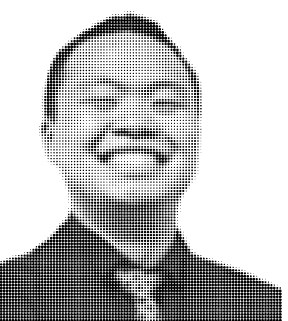
PhD Student, Bioinformatics
BS Biological Sciences, University of Delaware (2017)
nborders@bu.edu
At University of Delaware, Nate perturbed the genetics of mouse eye development in Dr. Salil Lachke's lab. Post-graduation, he developed synthetic cell-cell adhesion proteins and adapted the eVOLVER platform for growth of photosynthetic organisms in Dr. George Church’s lab. Currently, he adapts the eVOLVER for growth of bacteriophage in phage-assisted continuous evolution (PACE). He dreams of reversing man-made climate change, using biology to grow everything we need, and other utopian nonsense. His hobbies change rapidly but he could use suggestions for good fantasy series.
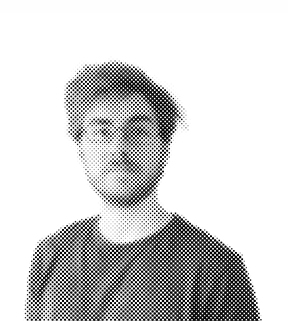
PhD Student, Engineering Sciences: Bioengineering
MPhil Biological Sciences, University of Cambridge (2024)
BSc Biomedical Sciences, UCL (2022)
jiahao_chen@seas.harvard.edu
Victor completed his BSc in Biomedical Sciences from University College London and an MPhil in Biological Sciences from the University of Cambridge. His interest in synthetic biology was seeded by prototyping a photo-activatable kinase during his undergraduate studies. He later explored neuro-immune interactions in the gut during his MPhil. He is now motivated to leverage systems and synthetic biology approaches to engineer cellular algorithms for next-generation cell therapies. Outside the lab, Victor enjoys watching movies, practicing the piano, and learning new knowledge and skills.
Selected Awards:
2022 MRC Research Studentship

PhD Student, Biomedical Eng.
(*Co-advised with Mikel Garcia-Marcos)
MS Bioengineering, Tufts University (2019)
BS Chemical Engineering, Tufts University (2018)
abfitz@bu.edu
Ben graduated from Tufts University in 2018 with a B.S in chemical engineering and in 2019 with a M.S. in bioengineering. During this time, he worked in Dr. Kyongbum Lee’s metabolic engineering lab, probing the effects of flavonoids on the gut microbiome. At BU, his work focuses on the therapeutically relevant class of proteins GPCRs, working on nanobody discovery efforts. Outside of lab, he likes building with Lego, watching movies, and anything and everything to do with food.
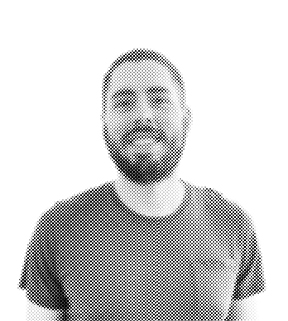
PhD Student, Engineering Sciences: Bioengineering
BS Bioengineering, BA German Studies, UMD College Park (2023)
agajendi@seas.harvard.edu
Anjali graduated from the University of Maryland College Park with a BS in Bioengineering and BA in German Studies. Her undergraduate work involved genetic engineering in E. coli and toolkit development in the algae species N. oculata. Anjali's current work involves technology development in Arabidopsis as a model organism to induce random structural variation for robust genome reorganization. Beyond the lab, she enjoys reading, playing board games, listening to NPR podcasts, and practicing her German.
Selected Awards:
2023 NIH Quant. Biology & Physiology Training Grant
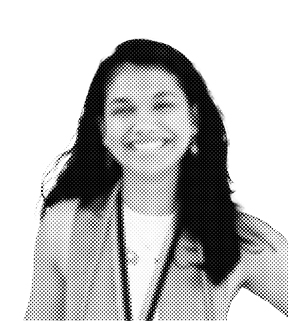
Visting Fellow
PhD Biomedical Eng., Boston University (2026)
BS Bioengineering, Stanford University (2017)
daniel_hart@seas.harvard.edu
Daniel completed his Bachelor’s degree in Bioengineering at Stanford University. At Stanford, he developed genomic screens for validating cancer driver genes in organoids. His current research focus is adapting the Khalil Lab’s eVOLVER platform for novel applications in synthetic and evolutionary biology, including anaerobic microbial communities and biotherapeutics. Away from lab, Daniel likes to read nonfiction, cook potatoes, sail boats, and dodge Boston traffic on his bike.
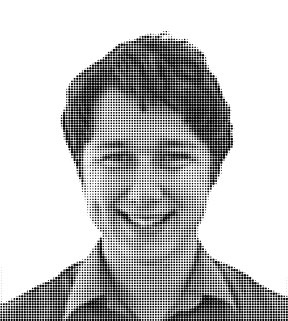
Visting Fellow
PhD Biomedical Eng., Boston University (2025)
BS Biomedical Engineering, USC (2017)
colin_kunze@seas.harvard.edu
Colin graduated from the University of Southern California in 2017 with a BS in Biomedical Engineering and a minor in Computational Biology and Bioinformatics. At USC, he worked in a vision research lab studying retinitis pigmentosa. His current research interests involve engineering epigenetic regulatory systems and cellular memory. Outside of the lab, he enjoys swimming, eating everything, and competing in triathlons.
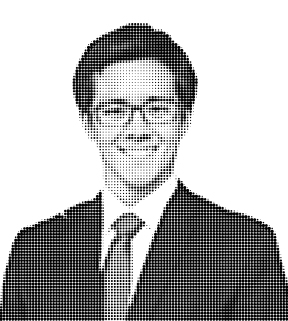
PhD Student, Engineering Sciences: Bioengineering
BS Biomedical Engineering, Binghamton University (2022)
sarah_loshinsky@seas.harvard.edu
Sarah completed her Bachelor's degree in Biomedical Engineering at Binghamton University; as an undergraduate, she investigated the use of nanomaterials in diagnostics for infectious disease. Sarah’s interest in synthetic biology was realized as she started her graduate career. Her current research focus is in exploring the stability of cell aggregation in wild S. cerevisiae strains and engineered lab strains to inform future engineering of robust multicellular systems. Beyond research, Sarah enjoys eating good food in good company, listening to podcasts while crocheting or strolling along the Charles River, and tending to her growing collection of plants.
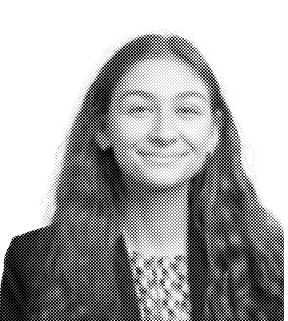
PhD Student, Engineering Sciences: Bioengineering
BS Bioengineering, Univ. of Maryland College Park (2019)
thea_ornstein@seas.harvard.edu
Thea graduated from the University of Maryland College Park in 2019 with a B.S. in Bioengineering. As an undergraduate, she worked in Kimberly Stroka’s lab studying the role of the cytoskeleton in laterally confined cell migration. Before starting her Ph.D. at BU, she worked as a research associate at Be Biopharma, a B cell therapy startup. Thea’s current research interests involve engineering mammalian synthetic circuits for cancer therapy applications. Outside of lab, she enjoys running on the Esplanade, watching reality tv, and rereading Harry Potter.
Selected Awards:
2020 NSF GRFP
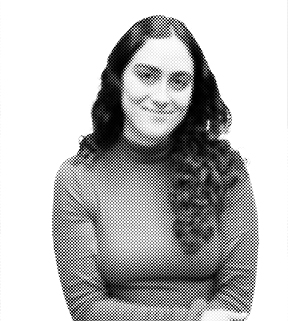
PhD Student, Engineering Sciences: Bioengineering
BS Biomedical Eng., Boston University (2022)
zachary_silfen@seas.harvard.edu
Zach received his BS in Biomedical Engineering from Boston University. As an undergraduate, he investigated strategies to optimize the expression of antibody fragments on engineered transmembrane receptors. Zach's current research focus is on the development of high-throughput nanobody discovery and affinity maturation platforms. When not in the lab, he enjoys skiing, long walks, rowing, and cooking.
Selected Awards:
2024 NSF Biological Feedback Control Training Grant
2023 NIH Quantitative Biology & Physiology Training Grant

PhD Student, Bioinformatics
BA Biology, Clark University (2020)
MS Biology, Clark University (2021)
etchanto@bu.edu
Liz received her BA and MS in Biology at Clark University, but her research was in mathematical modeling of gene transcription. She now seeks to apply her computational background to studying epigenetic regulation in plants. On her days off, Liz can be found losing track of time and teaching people how to pronounce her last name.
Selected Awards:
2022 NIH SB2 Training Grant
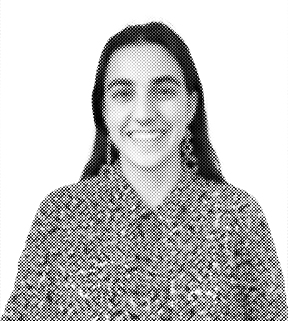
PhD Student, Engineering Sciences: Bioengineering
BS Biomedical Eng., Brown University (2021)
joseph_urban@seas.harvard.edu
Joey received his BS in Biomedical engineering from Brown University, where he performed structural characterization of hydrogel microparticles for drug delivery applications. Afterward, he worked at Draper as a microfluidic systems engineer, building hardware and software for high-throughput microphysiological systems, portable diagnostics, microstructured adhesives, and automated CAR-T biomanufacturing. He is now interested in applying a synthetic biology approach to bring developmental processes under an engineering control framework, with a focus on controlling fate selection in pluripotent stem cells. Outside of the lab, he enjoys learning songs on guitar, flying radio-controlled model airplanes, and losing money in sketchy poker games.
Selected Awards:
2024 NSF GRFP
2024 Draper Scholars Program

Visting Fellow
PhD Biomedical Eng., Boston University (2025)
BS Biomedical Eng. & Chemical Eng., Vanderbilt University (2017)
hanrong_ye@seas.harvard.edu
Belle obtained her BS with a double major in Biomedical Engineering and Chemical Engineering from Vanderbilt University. Her undergraduate research focused on developing in vitro assays for a reactive oxygen species (ROS)-scavenging microparticle system. Currently she is working on an interdisciplinary project that combines nanoparticles-based drug delivery and immune cell engineering. Outside the lab, Belle enjoys playing the cello, napping, and any food-related activity.
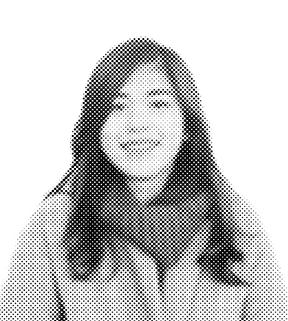
PhD Student, Biomedical Eng.
BS Biomedical Eng., Boston University (2019)
ezirayw@bu.edu
Ezira completed his Bachelor’s degree in Biomedical Engineering with a minor in Computer Engineering at Boston University in 2019. At BU he worked on research projects involving genetic circuit design and automation tool development for synthetic biology. Ezira’s current research interests involve developing technologies at the interface of biology, software, and hardware to engineer complex cellular phenotypes. In particular, he is interested in leveraging cellular adaption and memory encoded by epigenetic elements. Outside of the lab, Ezira is engaged with the greater synthetic biology community through iGEM and the Nona Research Foundation. For fun he enjoys listening to music, working out, biking, gaming, and discovering novel ways to efficiently kill time in silico.
Selected Awards:
2020 NIH SB2 Training Grant
Albert Keung
Marco Galardini
Zehua Bao
Sungho Jang
Allison Drain
Hui-Shan Li
Giulio Chiesa
William Shaw
Heidi Klumpe
Gordon Rix
2012-2015
2019-2020
2018-2020
2019-2020
2020-2021
2016-2023
2016-2023
2020-2025
2021-2025
2023-2025
Associate Professor, North Carolina State University
Associate Professor, TWINCORE, HZI and Hannover Medical School
Assistant Professor, Institute of Bioengineering, Zhejiang University
Assistant Professor, Incheon National University
Senior Scientist II, AbbVie
Assistant Professor, KAIST University
Project Manager, Institute of Biomedical Engineering, University of Toronto
Career Development Fellow, Earlham Institute
Postdoctoral Researcher, Autonomous Matter, AMOLF
Scientist, Platform Development, Bullseye Biosciences
Ali Beyzavi
Gregory Newby
Saloni Jain
Dana Braff
Szilvia Kiriakov
Brandon Wong
Nikit Patel
Abdul Bhuiya (MS)
Maria Simbirsky (MS)
Minhee Park
Eryn (Nelly) Weiser
Chris Mancuso
Divya Israni
Emma Briars
Zachary Heins
Meghan Bragdon
Keith Gagnon
Kok Ann (Sam) Gan
Adam Sanford
Charles Jo
2012-2016
2012-2017
2013-2017
2013-2017
2012-2018
2013-2018
2012-2018
2017-2019
2017-2019
2013-2019
2018-2020
2014-2020
2014-2020
2017-2022
2018-2022
2016-2022
2017-2023
2018-2023
2019-2024
2020-2025
Scientist, Roche
Assistant Professor, Johns Hopkins University
Senior Vice President, Eversana Life Science Services
Principal Scientist, GRO Biosciences
Associate Principal Computational Scientist, Paratus Sciences
Research Scientist, Harvard University; Co-Founder, Fynch Bio and Eira Bio
Research Scientist, Harvard University; Co-Founder, Eira Bio
PhD Student, Bioengineering, UC Berkeley
Bioinformatics Scientist, Inscripta
Assistant Professor, KAIST University
Research Associate, Earli Inc.
Scientist, Cultivarium
Senior Scientist, BioNTech SE
Lead Data Scientist, bioMérieux
Senior Instrument Software Engineer, 10x Genomics
Postdoctoral Associate, HHMI / Harvard University
Surgery Resident, Ohio State University
Strategic Marketing Specialist, GenScript
Scientist, Nabla Bio
Co-Founder, Anthology Bio
Nora Pyenson
Cathryn Hart
Madeleine Joung
Amir Soltanianzadeh
Rishi Jain
Aditya Cavale
Maxime Fouilleron
Teja Karri
Shaan Bhandarkar
Benjamin Chew
Erdene Galbadrakh
Cass Leach
Pallavi Balivada
Jack Cardini
Paarth Patel
Emily Oros
Allison Liu
Auden Wolfe
Conrad Fiedler
2012
2012-2014
2014-2016
2014-2016
2014-2015
2015-2017
2016
2017
2017
2016-2018
2017-2019
2019
2018-2021
2019-2021
2020-2021
2021-2022
2023
2024
2026
Boston University
BU Academy HS
BU Academy HS
Boston University
Boston University
Boston University
FASNY HS
Boston University
Phillips Exeter HS
Boston University
Boston University
Boston University
Boston University
Boston University
Boston University
Boston University
Lexington HS
UNC Chapel Hill
Lexington HS
Max Cotler
Davis Borucki
Rachel Petherbridge
Samantha Pipe
Andrew Montequin
Hannah Vanbenschoten
Michelle Rose
Grace Qian
Kevin Lorch
Louisa Brenninkmeijer
Akhila Sonti
Leen Arnaout
Shuwen (Eric) Lei
Blaire Smith
Kelton Nguyen
Samah Hamid
Sam Dyer
2012-2014
2013-2014
2014
2014-2015
2015
2015-2016
2016-2017
2017
2017-2019
2018
2018-2020
2019-2021
2019-2021
2020-2021
2022-2023
2023
2024
Boston University
Boston University
William Enloe HS
Boston University
Caltech
Boston University
Boston University
Dover-Sherborn HS Boston University
Univ of Birmingham
Boston University
Boston University
Boston University
Boston University
Boston University
Sharon HS
Lausanne Collegiate School


Synthetic Reconstitution of Complex Cellular Behavior
Can we build biological systems that recapitulate complex cellular functions like those seen in nature? Answering this question is the central goal of our research.
This question also forms the basis of reconstitution, an established experimental approach that reimagines how a biological process can be recapitulated outside of its natural context (e.g. outside of the cell and in a test tube) using a reduced set of molecular components. Biochemical reconstitution has been successfully applied to recreate many processes, enabling precise control over molecular parameters and a powerful way to test mechanistic models and establish sufficiency. Our vision is to implement the power and precision afforded by biochemical reconstitution within the complex environment of a living cell. If we can achieve this, then we can understand and predictably control complex cellular functions that have eluded our understanding, such as those that regulate how cells make decisions, execute responses, establish memories, and develop into multicellular organisms.
To do this, our laboratory is developing novel tools at the intersection of synthetic & systems biology, protein & cell engineering, laboratory evolution, genomics, and computation that enable us to recapitulate and control cellular behavior with synthetic circuitry. This enables us to effectively replace biochemistry with genetics. Taking this leap forward is fundamentally important for basic biology, to discover how cellular behaviors and diseases arise from complex networks of interacting molecules. It is also important for engineering and medicine, offering the potential to precisely control cellular function for next-generation therapies and to “teach” cells and organisms to solve the greatest health, climate, and engineering challenges of today.
Specifically, our laboratory develops tools of synthetic biology that allow us to construct regulatory circuits inside living cells. We are using our tools to dissect the molecular circuits that control gene regulation in eukaryotes, toward addressing the grand challenge of understanding their organization across scale and how they function to generate diverse cellular phenotypes. The basic insights we generate inform the development of platforms to program therapeutically-useful cellular functions for emerging gene and cell-based therapies, such as CAR-T cells for cancer. In addition, our team is developing novel continuous evolution technologies that are automated and scalable, and applying these to generate biomolecules with radically altered or new functions to address unmet needs in biology, medicine, and biotechnology. To broaden the impact of our basic science and medical discoveries, we make the technologies we develop widely usable and accessible to the scientific community. Overall, by learning how to build biological systems from scratch, our broad goal is to connect the molecular building blocks of life to a comprehensive understanding of cellular behavior and ultimately to clinical and other applications.

Rational Design of T-DNA Vectors Enables Predictable, Single-Copy Integration in Arabidopsis thaliana
William M. Shaw, Anjali Gajendiran, Elizabeth I. Tchantouridze, Lindsey L. Bechen, Sean G. Clarke, Sarah Guiziou, Mary Gehring†, Ahmad S. Khalil †
bioRxiv, 10.64898/2026.06.08.730999 (2026)
Synthetic Cell-Cell Adhesion Provides Benefits of Proximity Without Diffusion-Related Costs
Heidi Klumpe, Sarah Loshinsky, Daniel Hart, Kai Tong, Mary J. Dunlop, Ahmad S. Khalil
bioRxiv, 10.64898/2026.05.28.728462 (2026)
Oncogenic Alterations in PI3K Signaling Emulated Optogenetically Recapitulate Some Phenotypic Changes in Mammary Epithelia
Keith A. Gagnon, Veronica W. Hui, Terry Ching, Amy E. Stoddard, Esther Koh, Jeroen Eyckmans, Ahmad S. Khalil†, Christopher S. Chen†
ACS Synthetic Biology, 15: 561-573 (2026)
Exploring Substrate Cofeeding for Enhanced Acetogenic C1 Bioconversion with AneVO, a Low-Cost Anaerobic Parallel Bioreactor Platform
Kathryn O. Hoyt, Guanyu Zhou, William Gasparrini, Patrick J. Sliter, Daniel J. Hart, Ahmad S. Khalil, Benjamin M. Woolston
Trends in Biotechnology, Dec 29:S0167-7799(25)00484-6 (2025)
Genome Duplication in a Long-Term Multicellularity Evolution Experiment
Kai Tong*†, Sayantan Datta*, Vivian Cheng, Daniella J. Haas, Saranya Gourisetti, Harley L. Yopp, Thomas C. Day, Dung T. Lac, Ahmad S. Khalil, Peter L. Conlin, G. Ozan Bozdag, William C. Ratcliff†
Nature, 639: 691-699 (2025)
Development of Compact Transcriptional Effectors Using High-Throughput Measurements in Diverse Contexts
Josh Tycko*, Mike V. Van*, Aradhana, Nicole DelRosso, Hanrong Ye, David Yao, Raeline Valbuena, Alun Vaughan-Jackson, Xiaoshu Xu, Connor Ludwig, Kaitlyn Spees, Katherine Liu, Mingxin Gu, Venya Khare, Adi Xiyal Mukund, Peter H. Suzuki, Sophia Arana, Catherine Zhang, Peter P. Du, Thea S. Ornstein, Gaelen T. Hess, Roarke A. Kamber, Lei S. Qi, Ahmad S. Khalil, Lacramioara Bintu†, Michael C. Bassik†
Nature Biotechnology, 43: 1525-1538 (2025)
Mapping the Dynamics of Epigenetic Adaptation in S. Pombe During Heterochromatin Misregulation
Ajay Larkin*, Colin Kunze*, Melissa Seman, Alexander Levashkevich, Justin Curran, Ahmad S. Khalil†, Kaushik Ragunathan†
Developmental Cell, 59: 2222-2238 (2024)
Brainwide Silencing of Prion Protein by AAV-Mediated Delivery of an Engineered Compact Epigenetic Editor
Edwin N. Neumann*, Tessa M. Bertozzi*, Elaine Wu, Fiona Serack, John W. Harvey, Pamela P. Brauer, Catherine P. Pirtle, Alissa Coffey, Michael Howard, Nikita Kamath, Kenney Lenz, Kenia Guzman, Michael H. Raymond, Ahmad S. Khalil, Benjamin E. Deverman, Eric Vallabh Minikel, Sonia M. Vallabh, Jonathan S. Weissman
Science, 384: ado7082 (2024)
A Multiplex MoClo Toolkit for Extensive and Flexible Engineering of Saccharomyces cerevisiae
William M. Shaw, Ahmad S. Khalil, Tom Ellis
ACS Synthetic Biology, 12: 3393-3405 (2023)
Cooperative Assembly Confers Regulatory Specificity and Long-Term Genetic Circuit Stability
Meghan D. J. Bragdon*, Nikit Patel*, James Chuang, Ethan Levien, Caleb J. Bashor*, Ahmad S. Khalil*
Cell, 186: 3810-3825 (2023)
Deep Neural Networks for Predicting Single-Cell Responses and Probability Landscapes
Heidi E. Klumpe*, Jean-Baptiste Lugagne*, Ahmad S. Khalil, Mary J. Dunlop
ACS Synthetic Biology, 12: 2367-2381 (2023)


